Multi-stakeholder Synergy Strengthens Social Forestry and Payment for Ecosystem Services (PES) Schemes in Katingan District
August 2025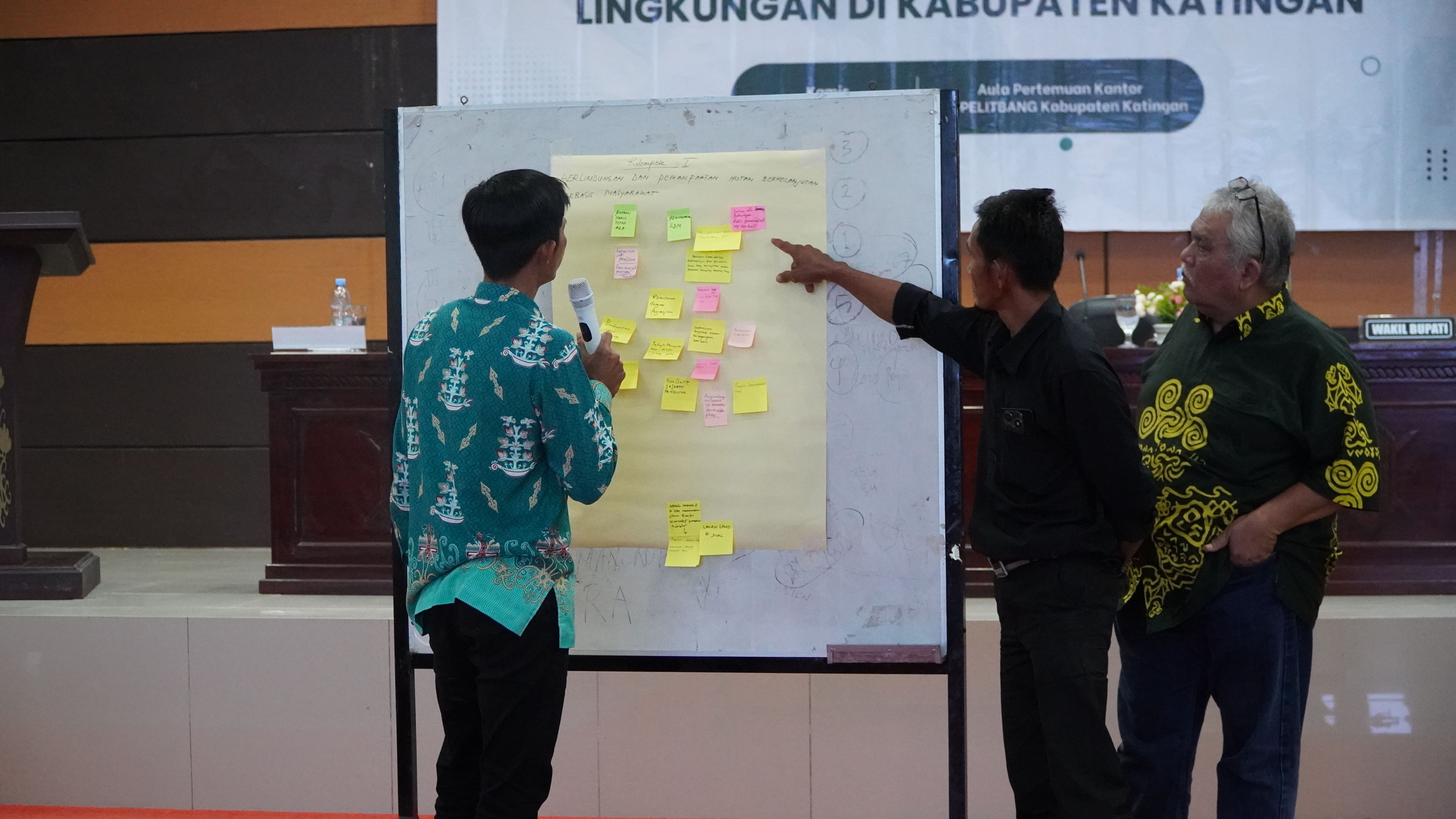
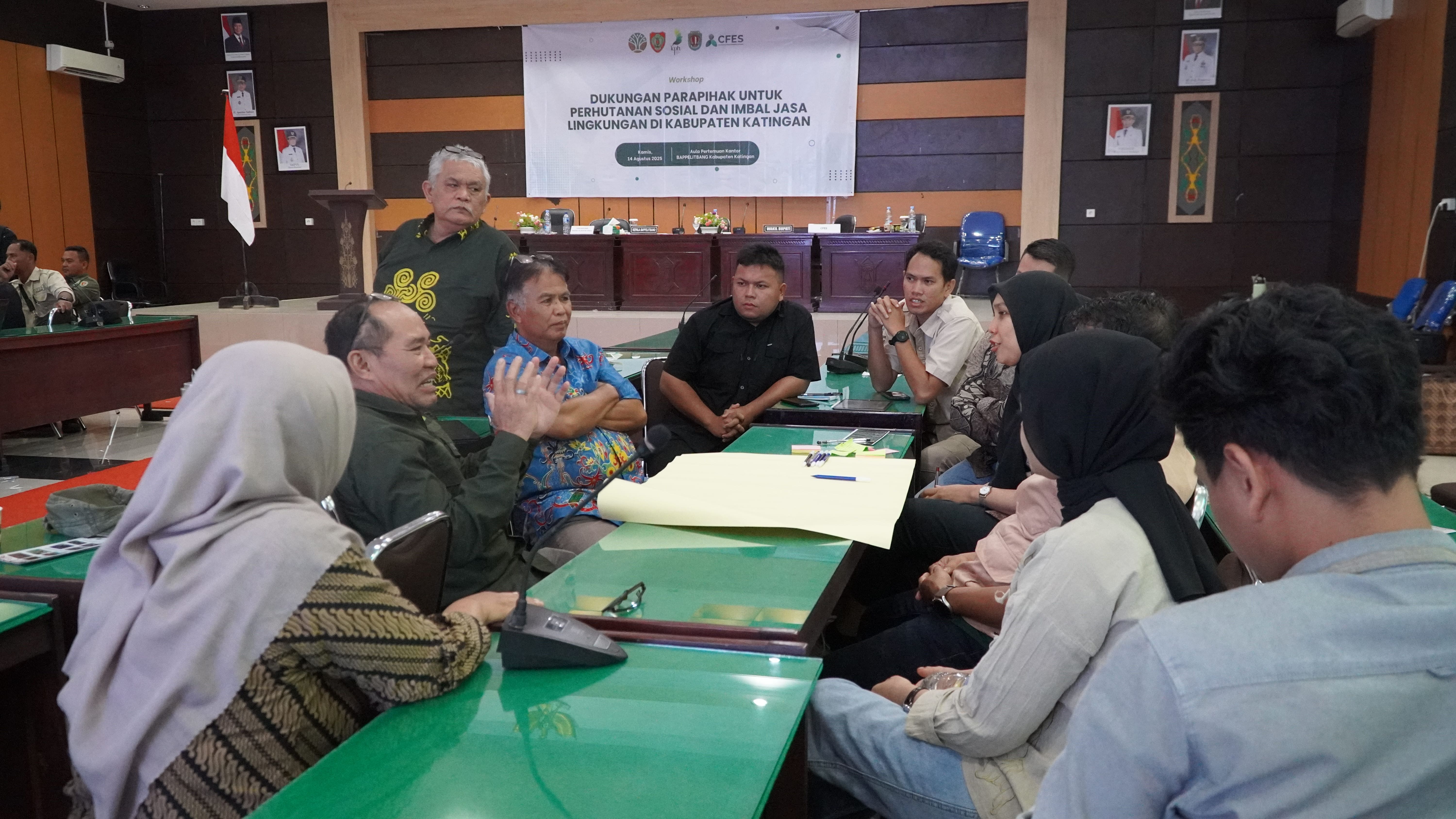
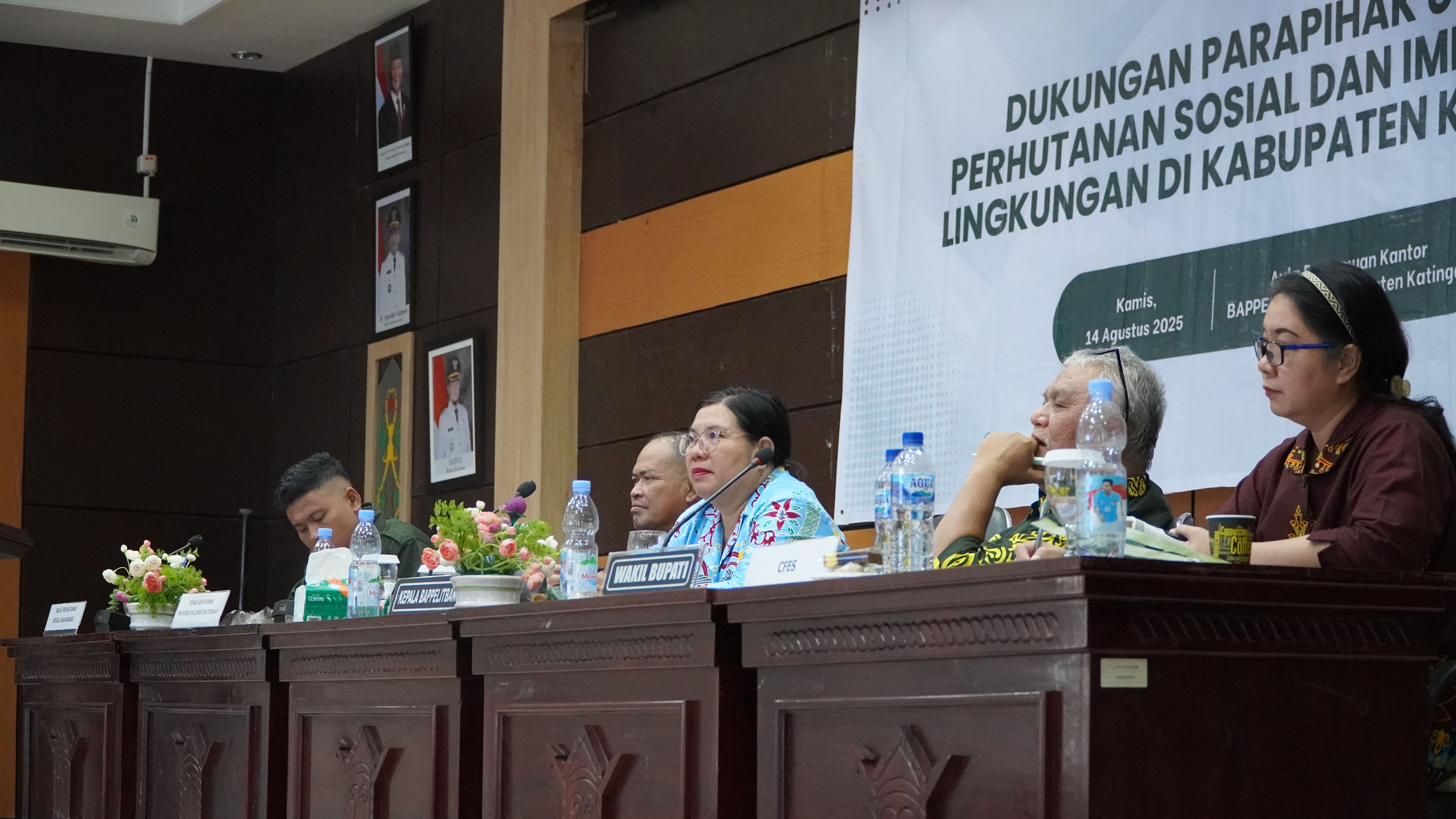
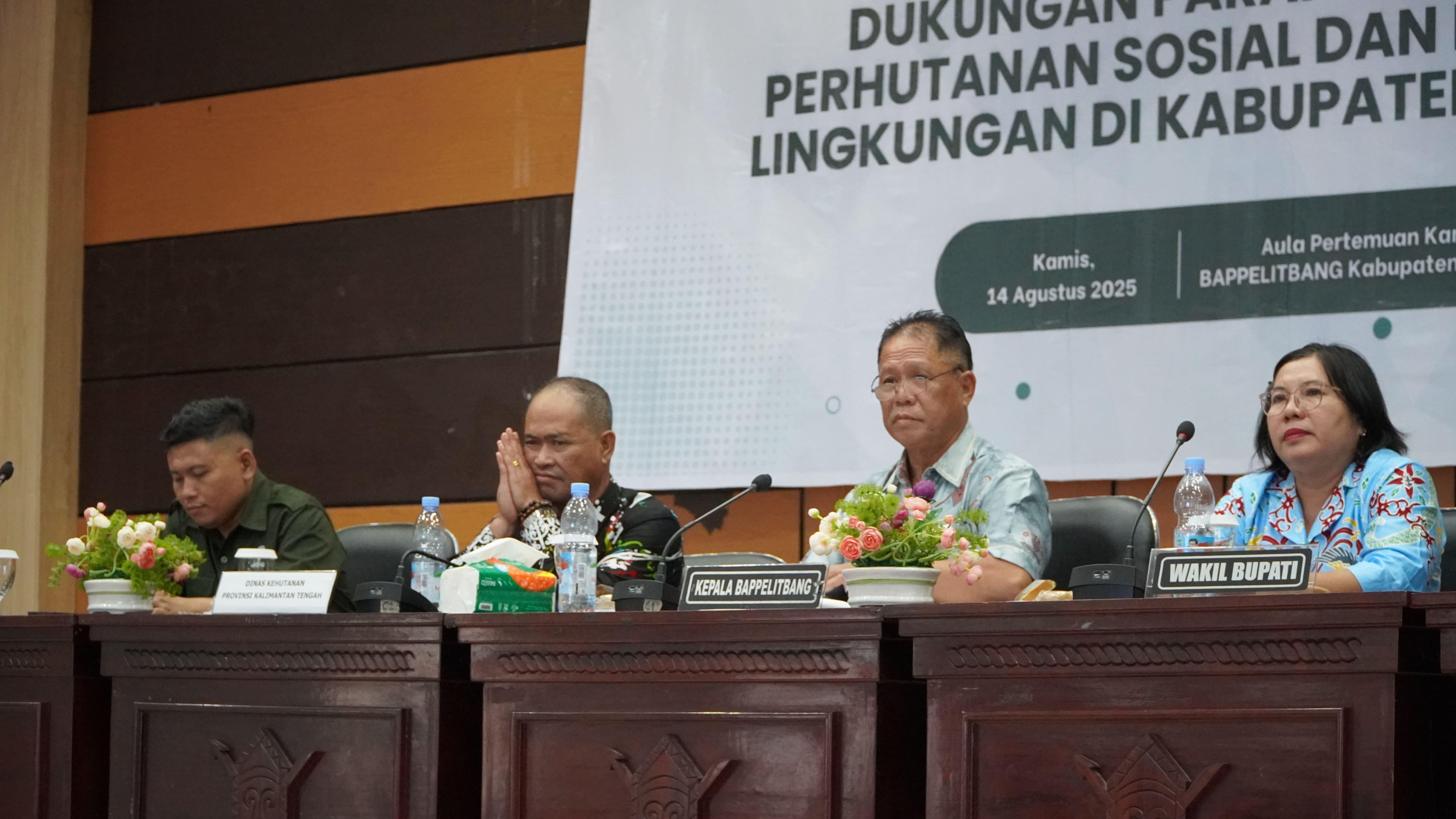
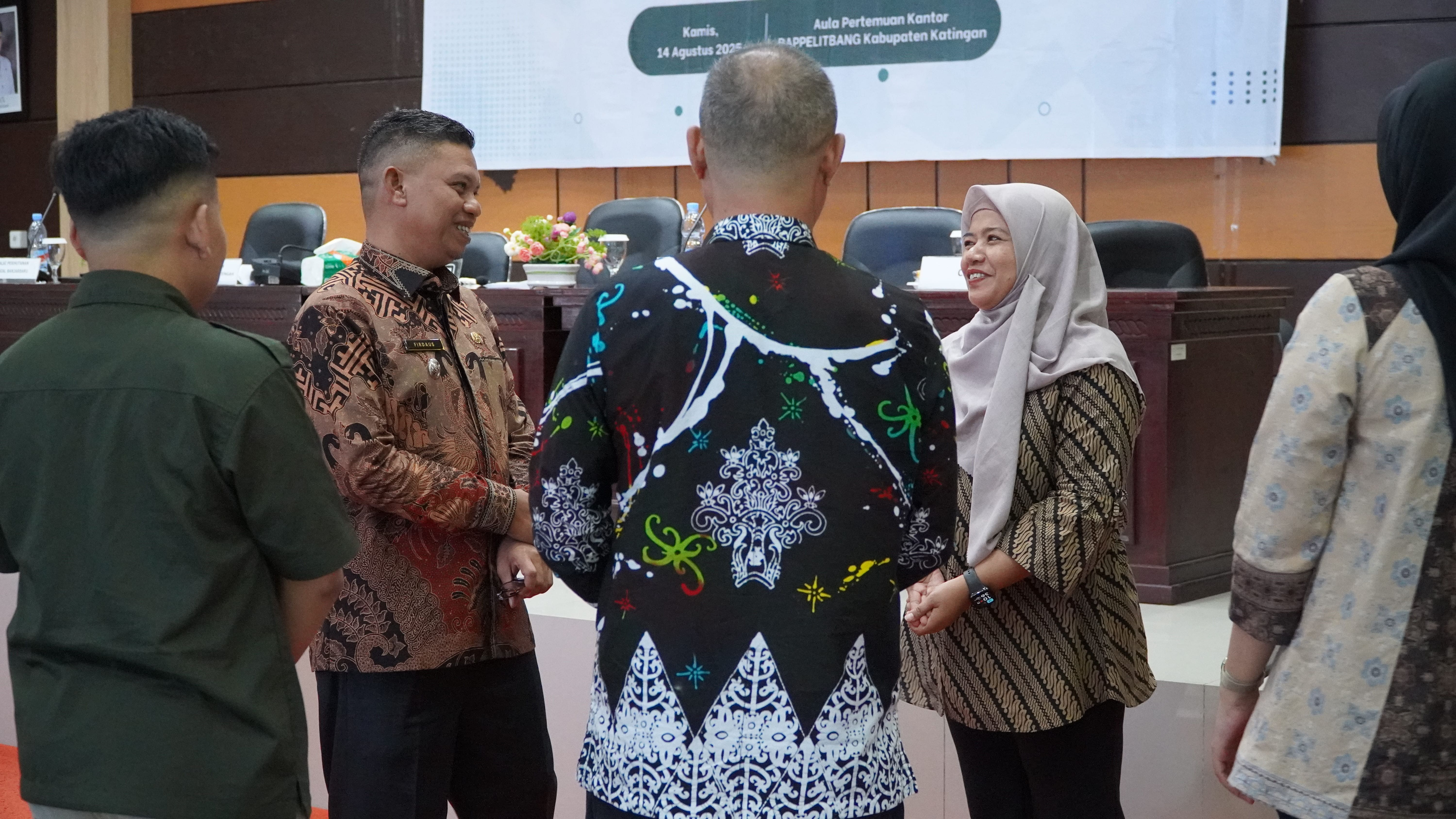
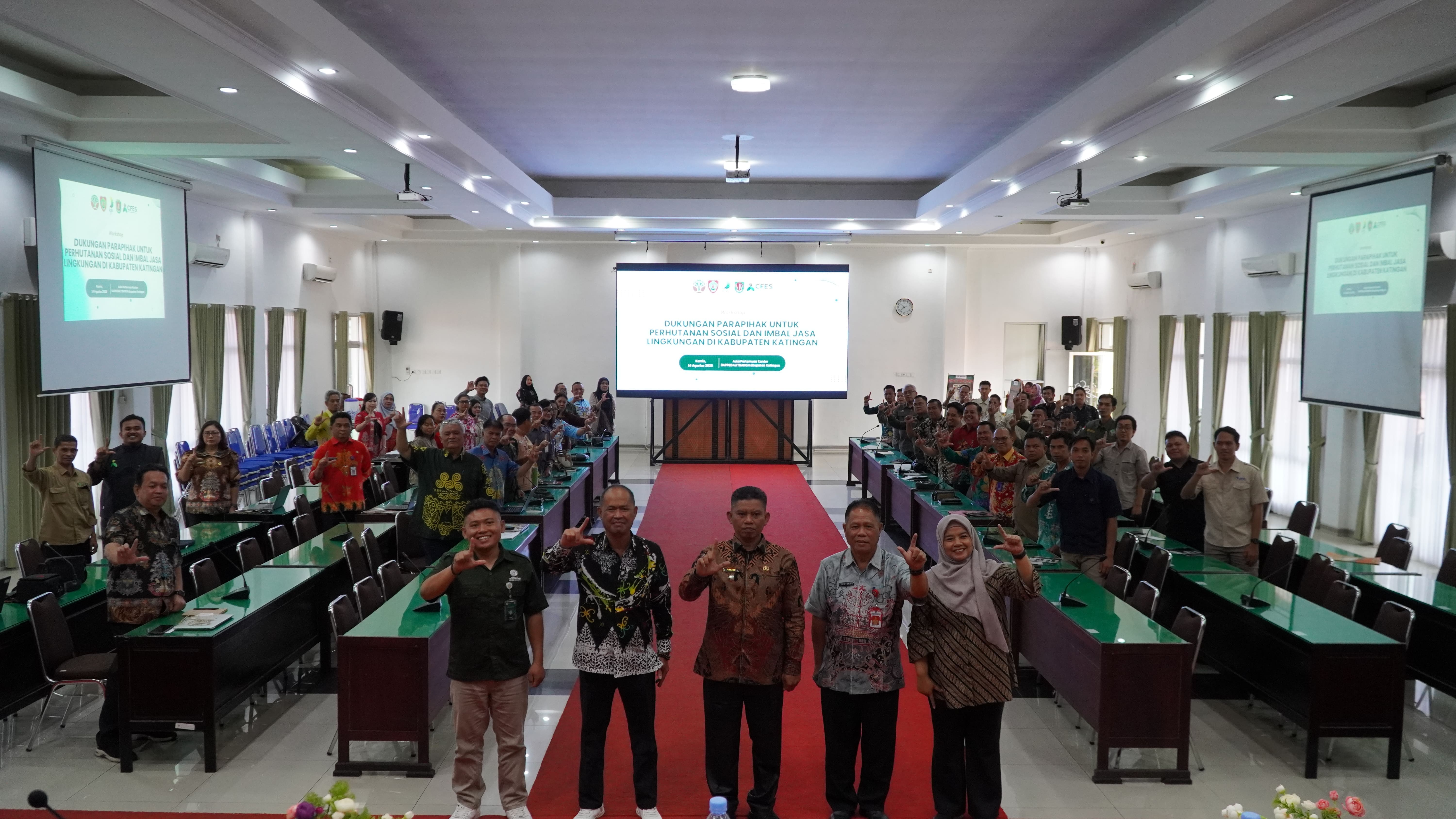
Katingan Regency, August 14, 2025 – A workshop titled “Stakeholder Support for Social Forestry and Environmental Services” was held at the Office of Bappelitbangda Katingan Regency, Central Kalimantan, on Thursday (14/8). This activity was organized by Community Forest Ecosystem Services (CFES) in collaboration with LPHD Telaga, with support from the Government of Katingan Regency, the Provincial Office of Environment and Forestry of Central Kalimantan, the Social Forestry Regional Office for Kalimantan, and Bappelitbangda Katingan Regency.
This workshop involved various parties, including representatives from local government institutions, Village Forest Management Institutions (LPHD), Social Forestry Business Groups (KUPS), NGOs, academics, the private sector, and other stakeholders. The event aimed to strengthen synergy among stakeholders in supporting the Social Forestry program and the Payment for Environmental Services (PES) scheme, while also introducing community enterprise products from Katingan Regency.
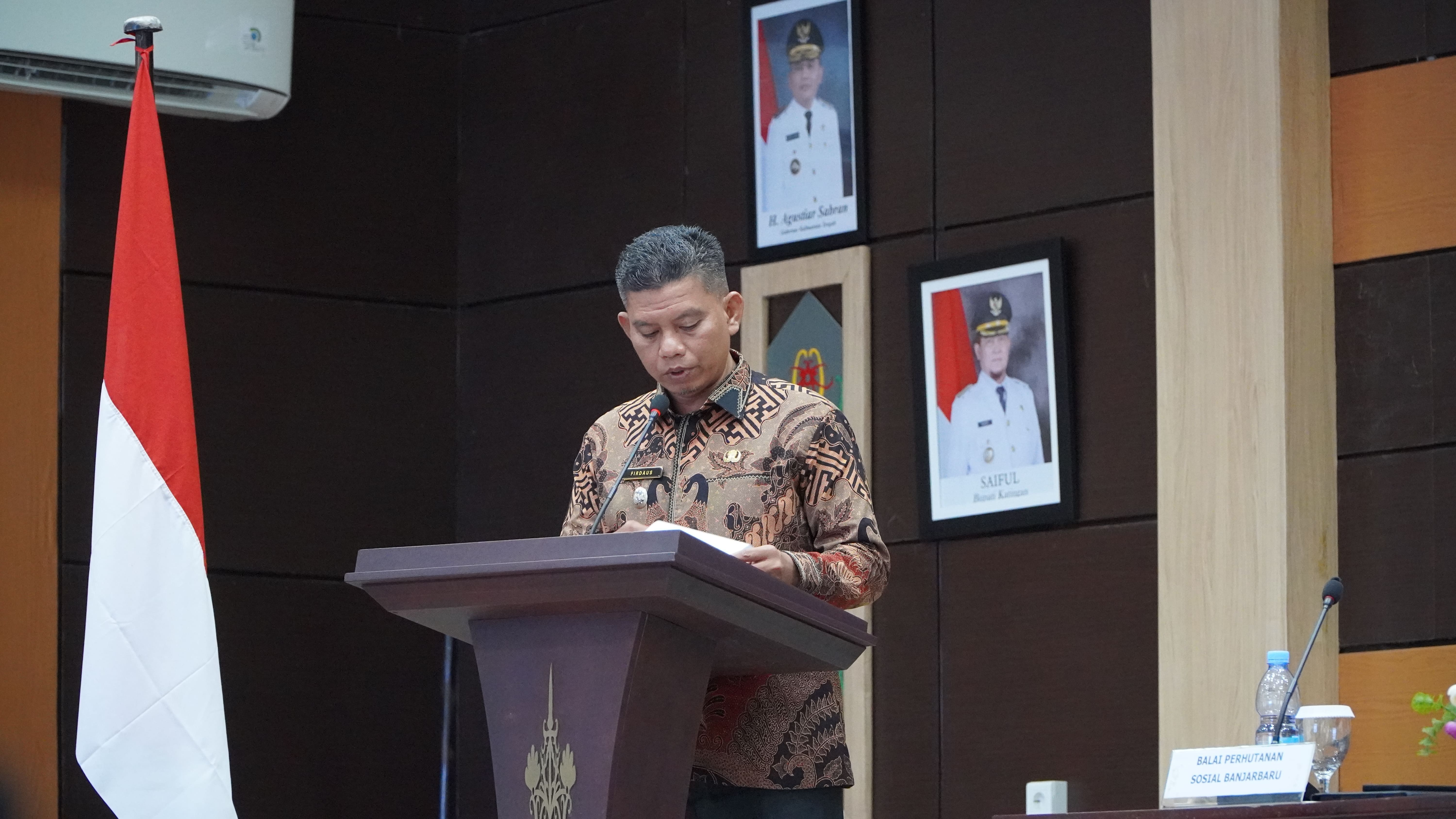
In the opening session, the Deputy Regent of Katingan Regency, Firdaus S.T., emphasized that Katingan Regency has valuable forest wealth for the community. However, the big challenge faced is how to maintain forest sustainability while continuing to improve the welfare of the surrounding communities.
In his remarks, the Deputy Regent expressed his appreciation to CFES for facilitating community-based forest management and promoting the environmental services scheme. According to him, the social forestry policy regulated in Minister of Environment and Forestry Regulation No. 9 of 2021 is an important solution as it grants legal forest management rights to the community.
He emphasized that the people of Katingan have proven that forests can be managed wisely while also becoming an economic source. Several village forest groups have successfully protected the forest while developing productive enterprises, such as non-timber forest products and the utilization of other local resources.
Nevertheless, the Deputy Regent reminded that this success will not be sustainable without collaborative support from various parties: government, academics, NGOs, private sector, and the community. He mentioned that this meeting is a momentum to build mutual understanding, develop joint action plans, and accelerate real steps to protect forests and improve people’s welfare.
“Let us open our hearts and minds so that from this room, agreements are born that bring real benefits to forests and people,” he said.
In closing, the Deputy Regent hoped this activity would become a real example that forest conservation can go hand-in-hand with improving the community’s economy, so that Katingan can become a model region for sustainable development in Indonesia.
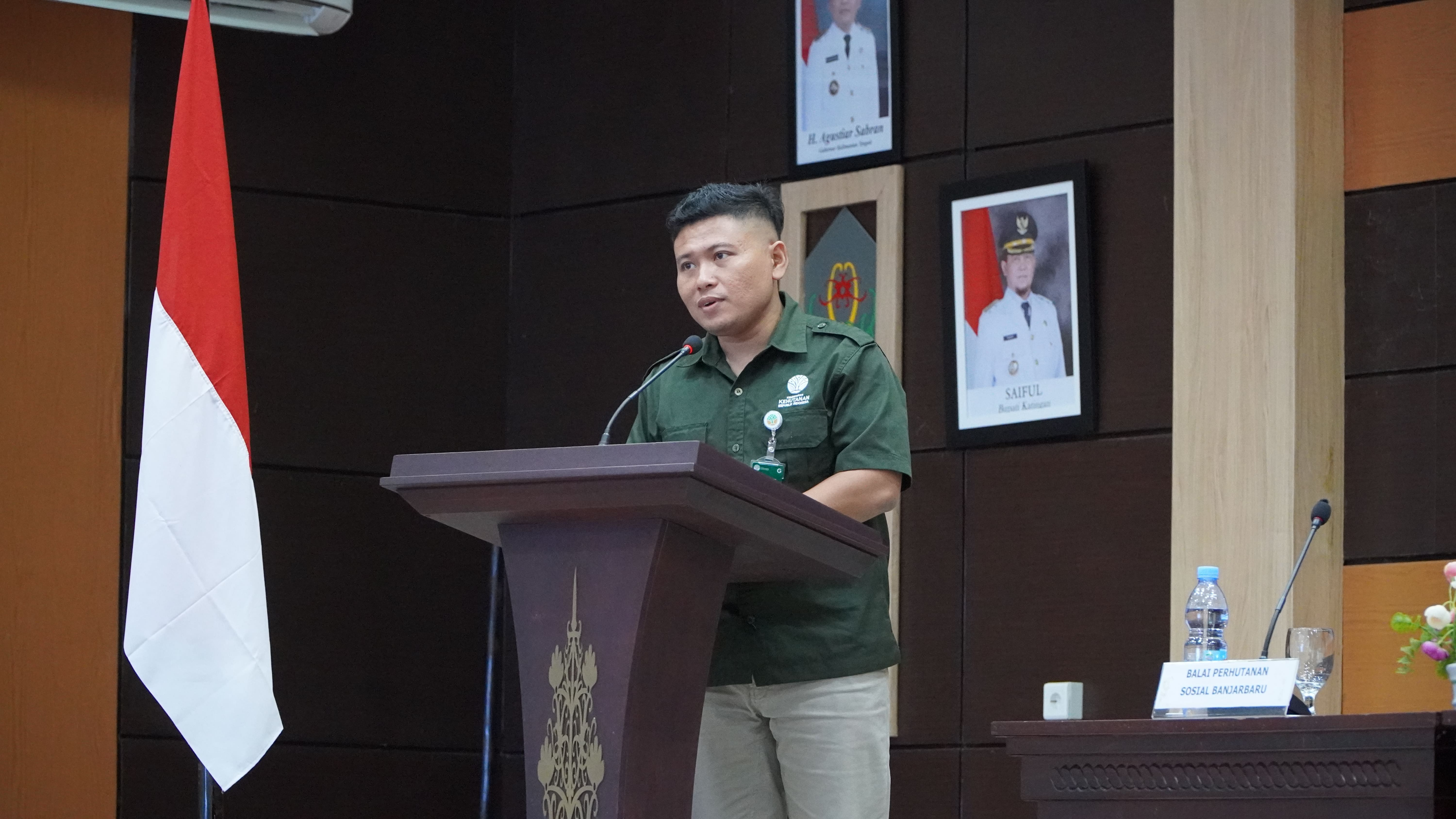
Then, remarks were delivered by the Acting Chairperson of CFES, Eka Muliawati Putri, stating that since 2021 CFES has been assisting LPHD Telaga to strengthen the capacity of village forest management and to open access to sustainable funding sources.
“Through the facilitation process with stakeholders, LPHD Telaga now manages its forest with the highest standards and has succeeded in accessing PES funds as a form of reward for efforts in forest conservation,” she said.
Telaga Village Forest obtained the Village Forest Management Right (HPHD) permit in 2018. After three years of facilitation, in early 2025 LPHD Telaga began to receive PES funds in the form of fresh funds that were used for priority activities as agreed upon in village meetings.
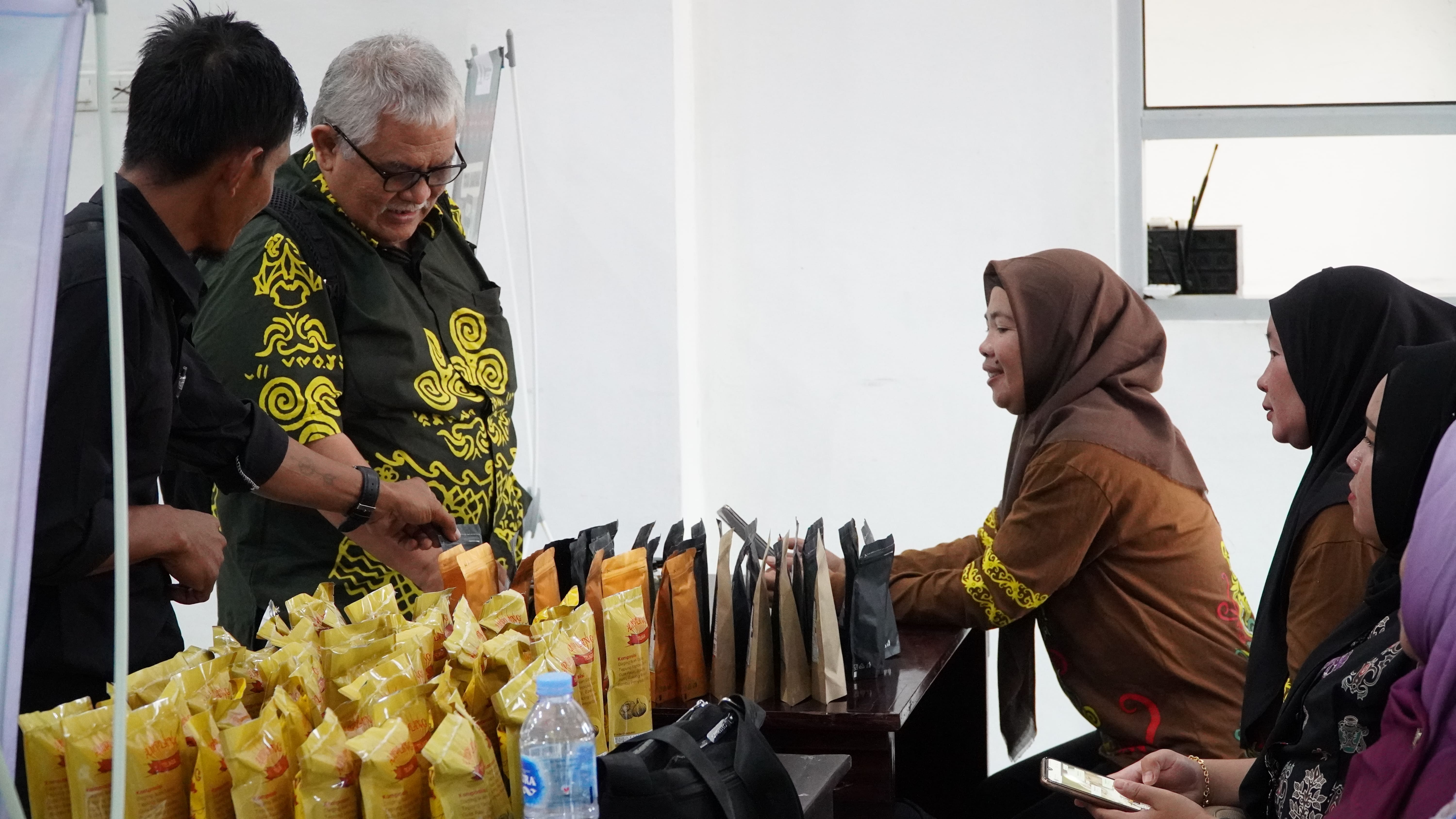
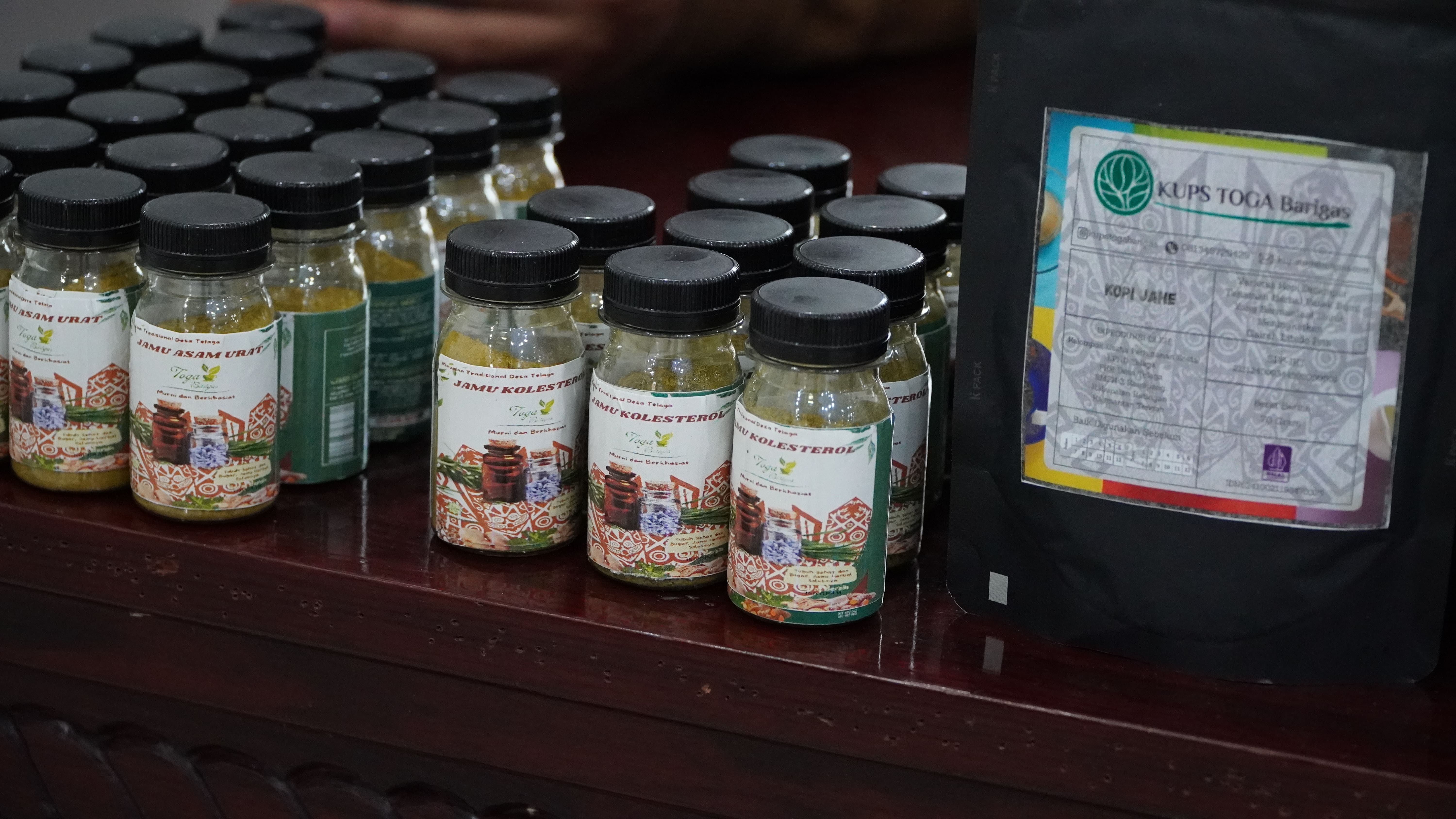
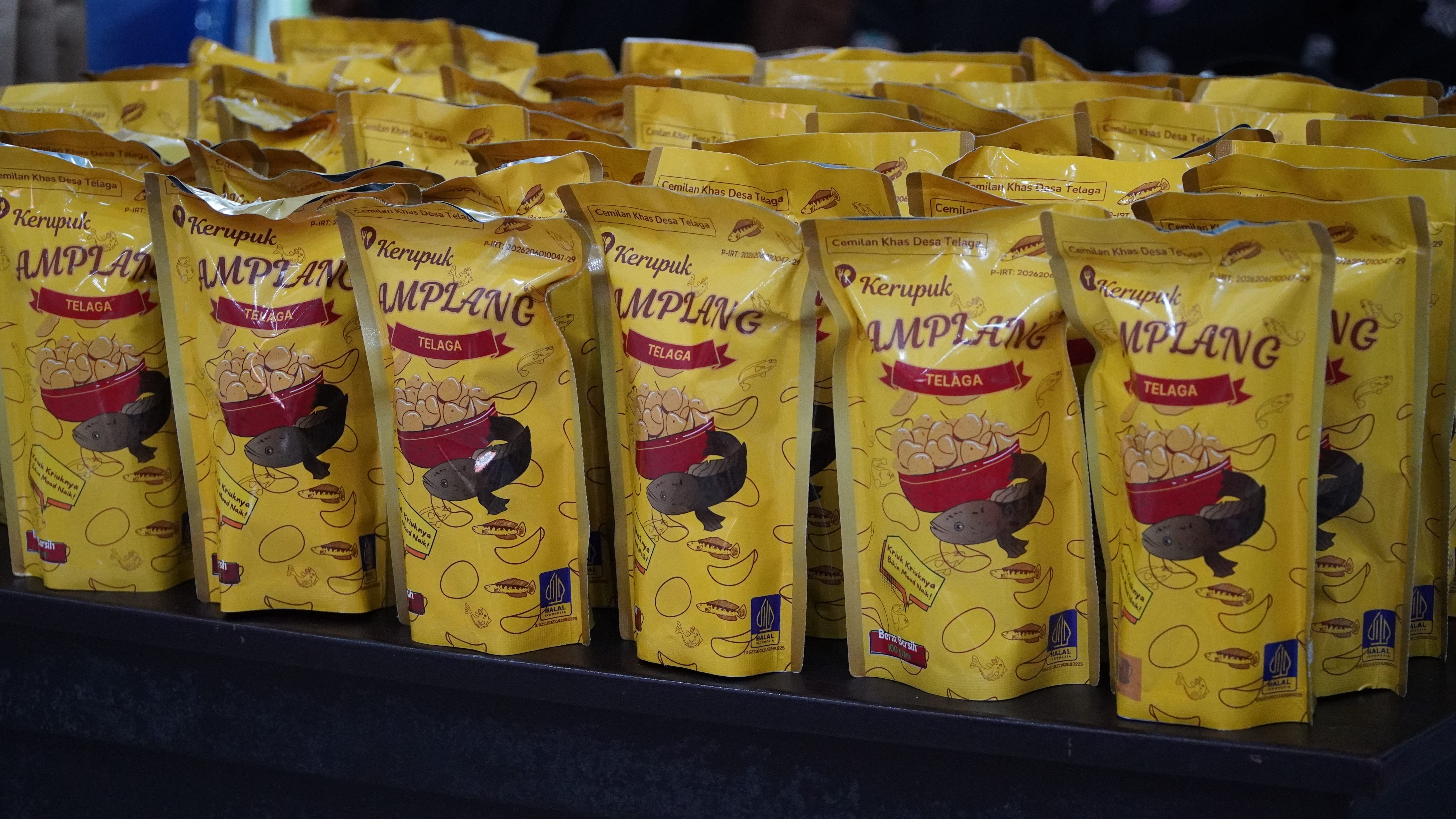
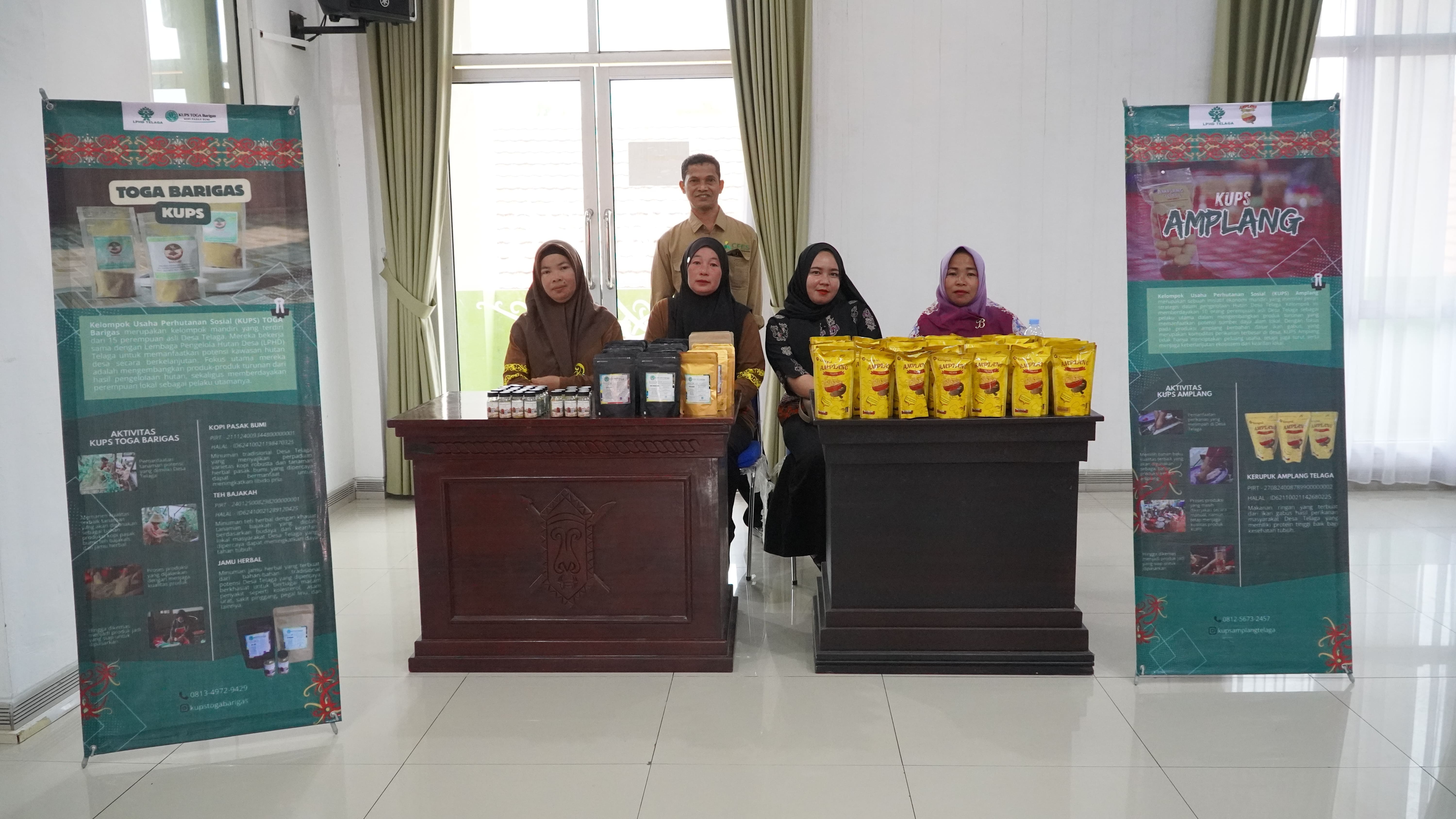
This activity also became an important moment with the launch of products from two business groups, namely KUPS Amplang and KUPS TOGA Barigas, as real evidence that forest conservation can go hand-in-hand with improving the community’s economy.
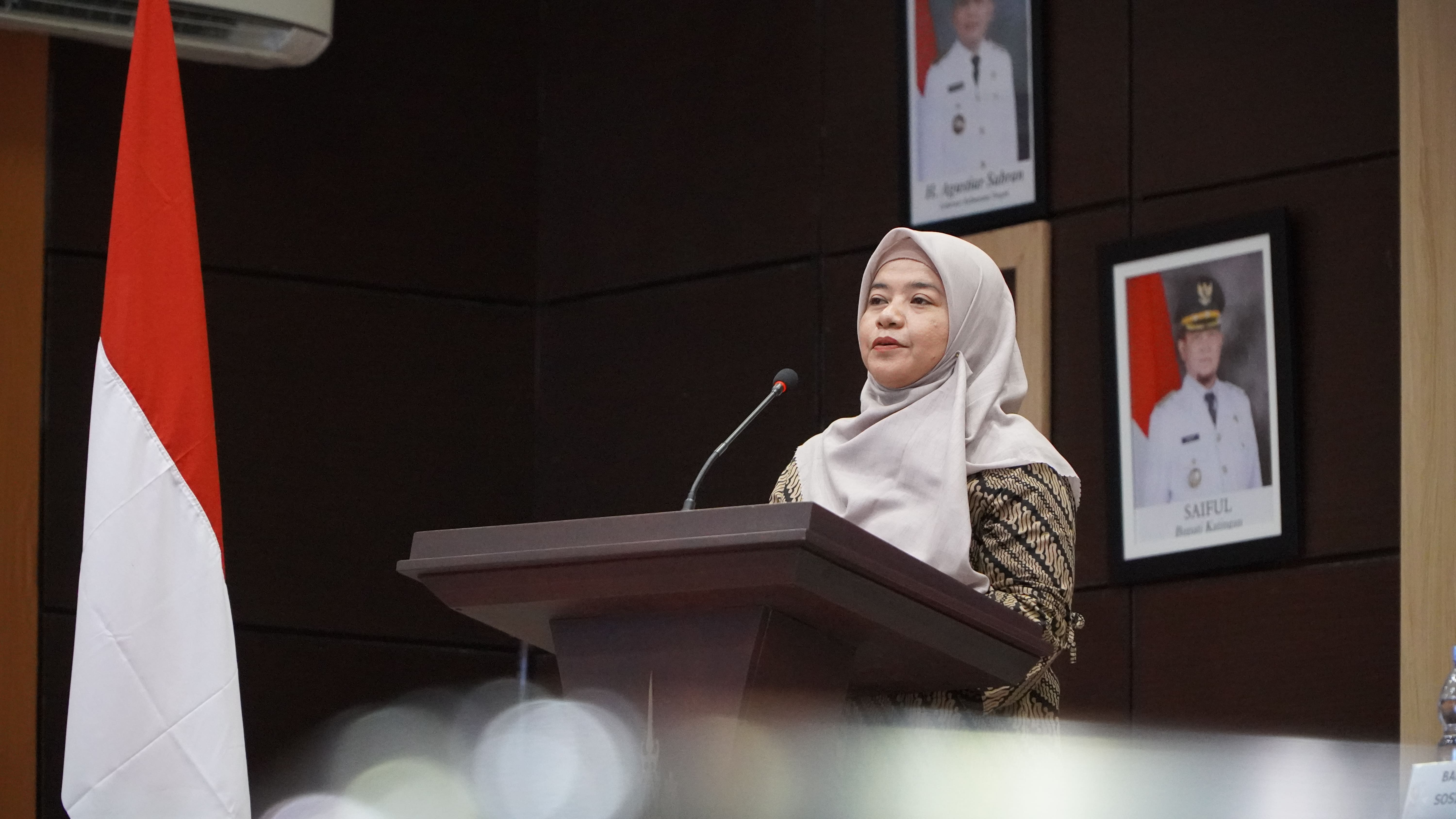
One of the main sessions of the workshop was a talk show discussing strategic issues around strengthening Social Forestry policies, multi-stakeholder collaboration in forest protection, and opportunities for local government support for the PES scheme. The Integrated Area Development (IAD) approach was also introduced as a model of area development based on Social Forestry that integrates the forestry, agriculture, and local economic sectors in an integrated manner.
Through this session, participants gained a more comprehensive understanding of the importance of stakeholder synergy, and the great potential of Social Forestry in promoting village development based on environmental sustainability.
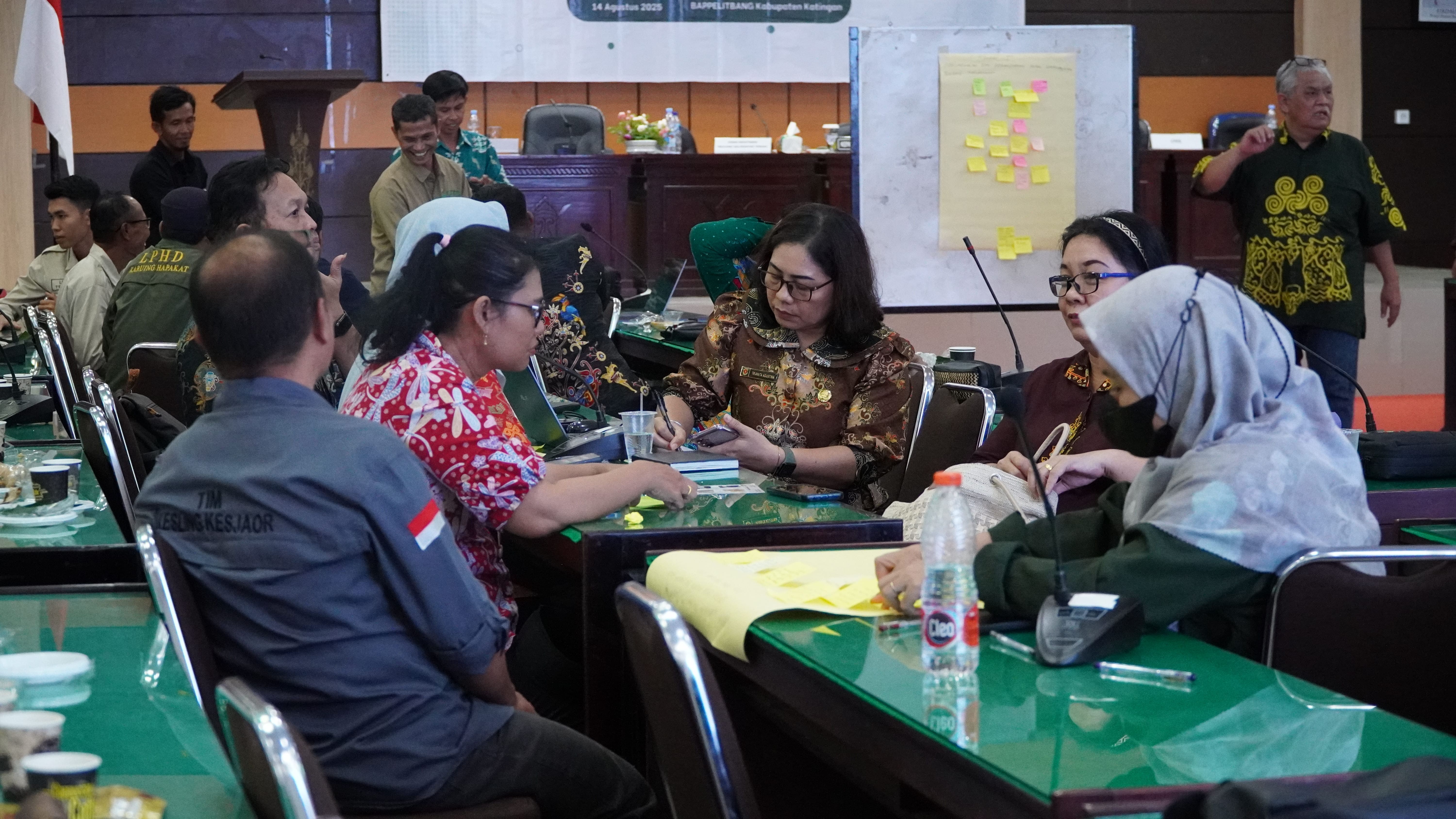
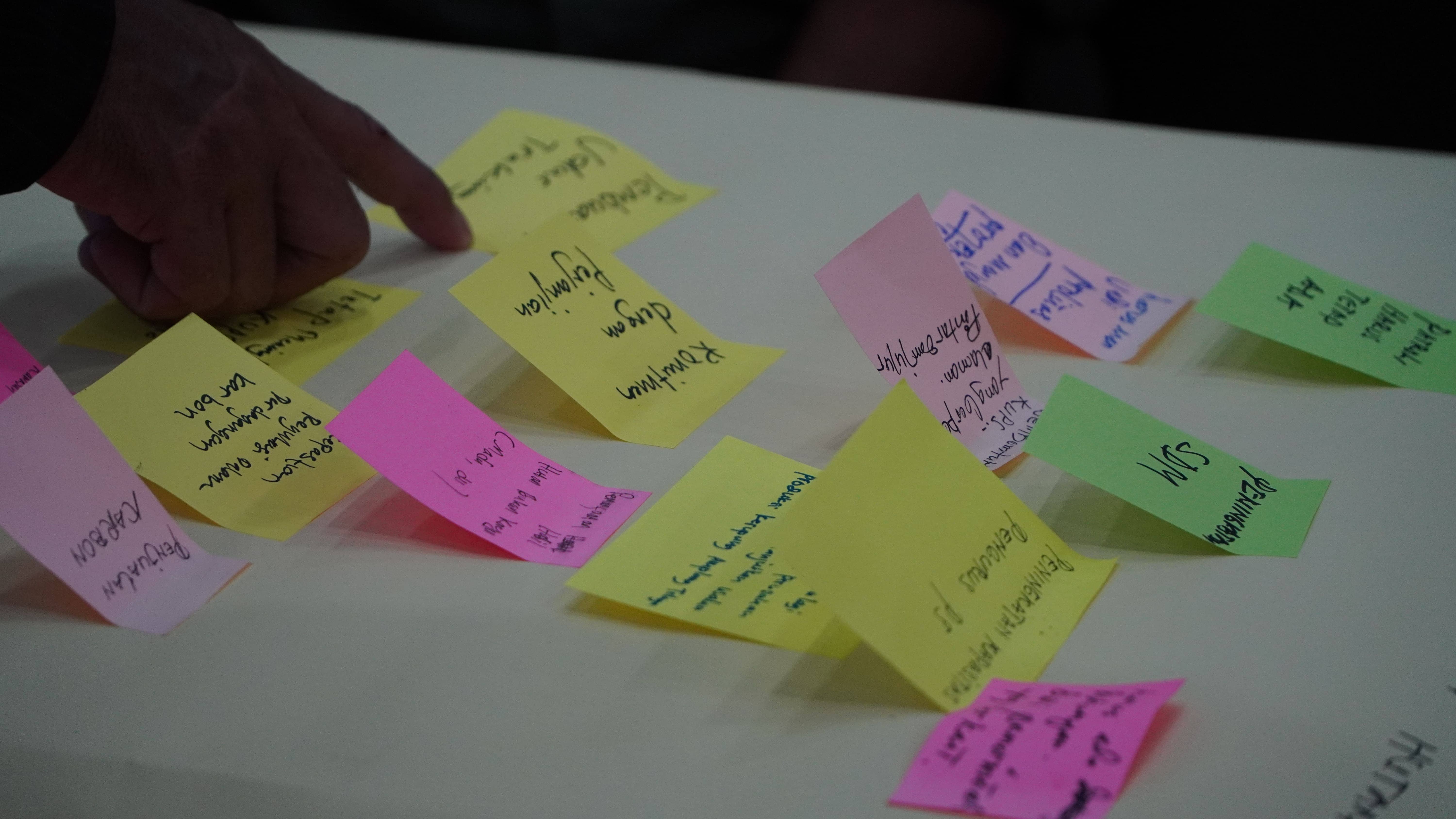
Next, participants were divided into three groups in a Focus Group Discussion (FGD) session to delve deeper into issues such as community-based forest protection and utilization, policy strategies for social forestry initiatives, and the Payment for Environmental Services scheme in supporting community welfare.
This workshop is expected to not only be a space for sharing experiences, but also to produce recommendations and joint action plans that can be followed up concretely by all stakeholders. The spirit of collaboration that has been built is expected to be maintained for the sustainability of forests and the welfare of the people in Katingan Regency.