Bornean Orangutans and the Role of Telaga Village Forest Management in Maintaining Habitat Connectivity
November 2025
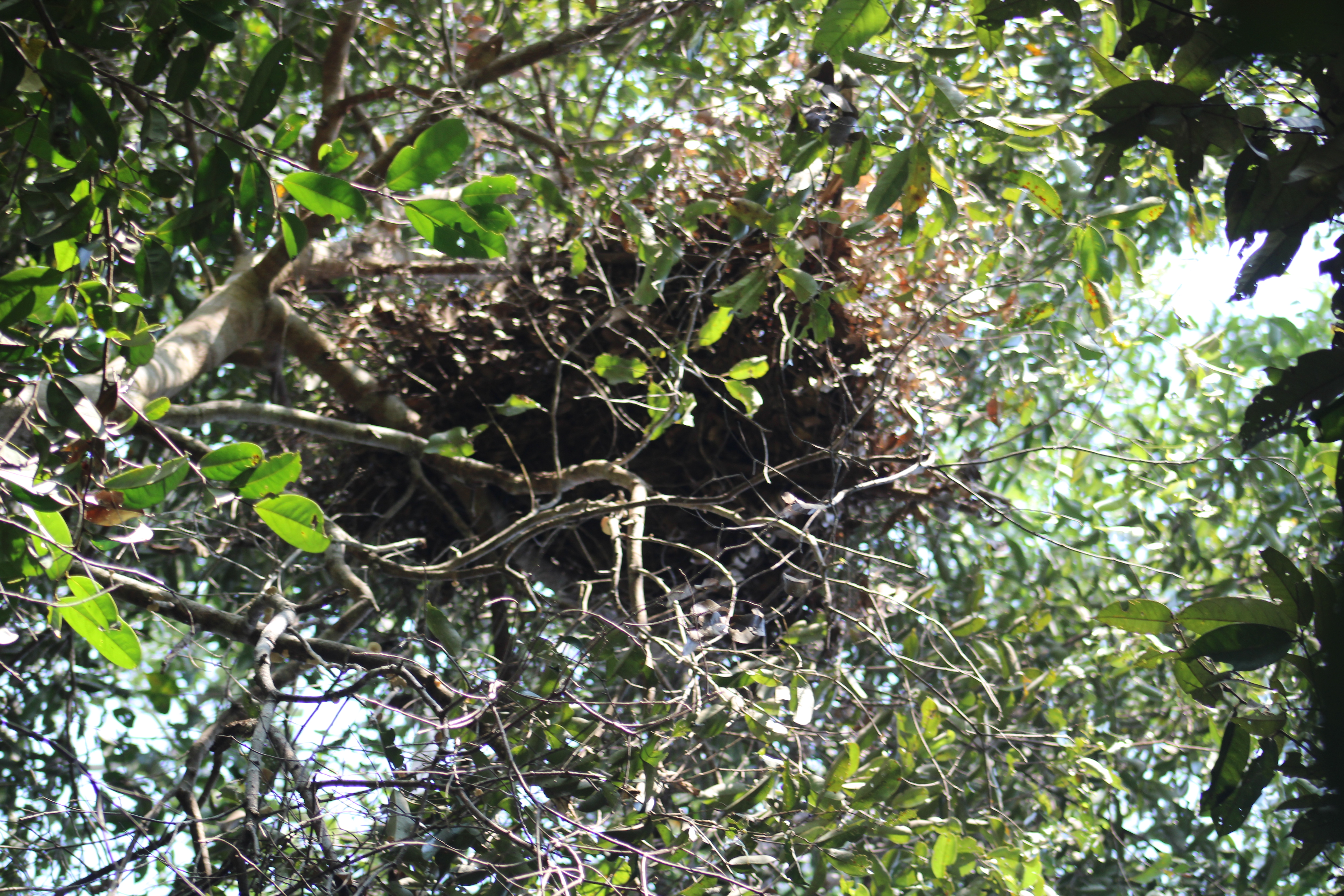
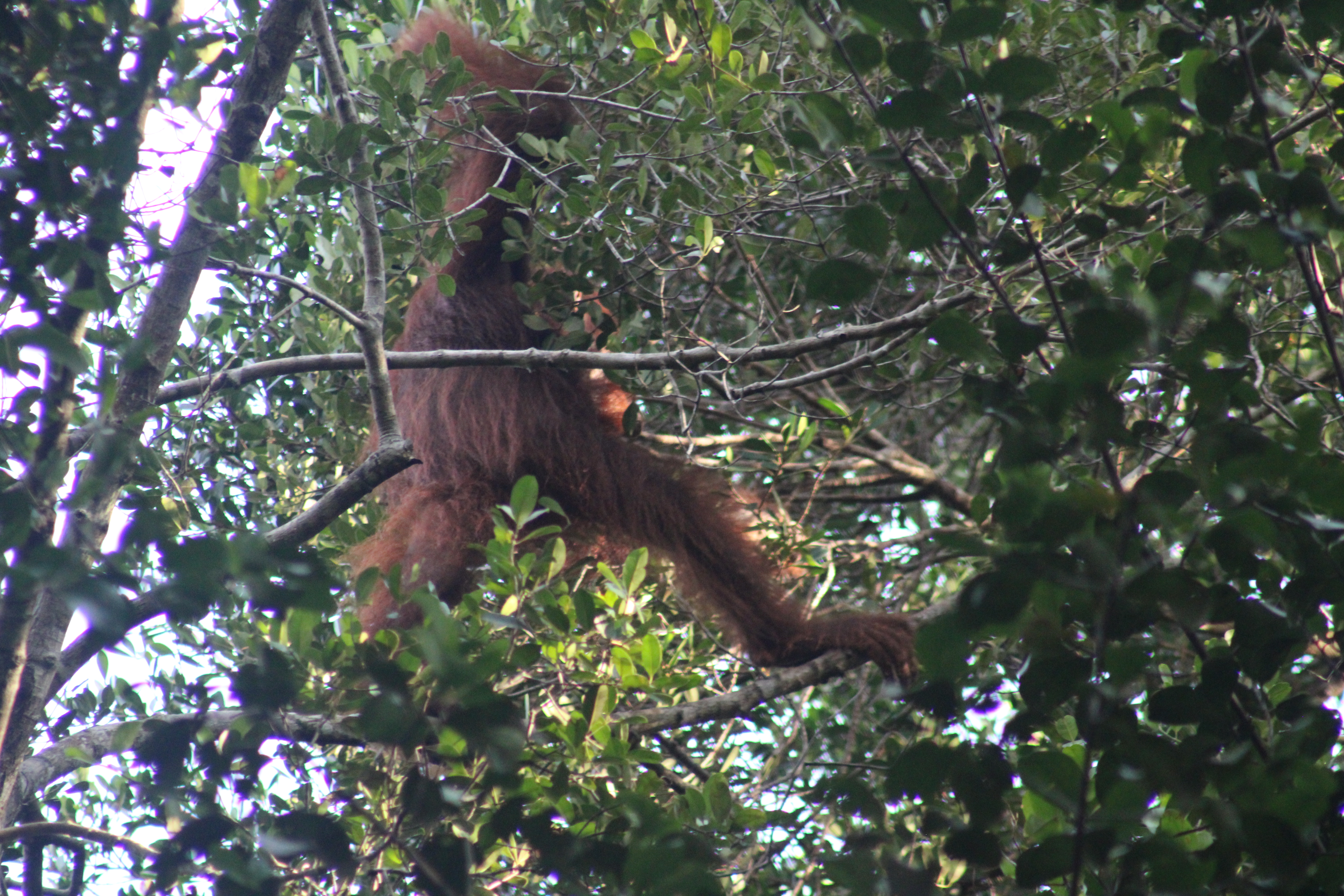
The Bornean orangutan (Pongo pygmaeus) is one of the most important primates for the sustainability of tropical rainforest ecosystems in Southeast Asia. As a species with a key ecological role, orangutans are not only indicators of forest health but also primary supporters of natural regeneration processes. However, their status in the wild remains in a critical state. The IUCN Red List (2023) classifies the Bornean orangutan as Critically Endangered due to the extremely rapid population decline over the past decades. According to data from the Population and Habitat Viability Assessment (PHVA): Final Report (MoEF, 2017), the Bornean orangutan population dropped sharply from an estimated 101,489 individuals in 1997–2002 to approximately 70,691 individuals in 2009–2014, reflecting a decline of more than 30% in less than two decades.
Amid this critical situation, the Telaga Village Forest in Katingan Regency, Central Kalimantan covering ±2,758 hectares according to the Decree of the Minister of Environment and Forestry (2018)—stands as one of the remaining habitats that continues to support the presence of orangutans. Local communities still frequently encounter orangutans crossing through the forest canopy, building nests, or moving freely within their natural home range. This indicates that the village forest area continues to provide suitable, relatively safe habitat with well-maintained ecological connectivity.
Population Decline and Shrinking Habitat
Habitat loss is the primary driver of the decline in the Bornean orangutan population. Recent scientific studies (Santika et al. 2023; Meijaard et al. 2024) show that plantation expansion, logging activities, infrastructure development, and landscape fragmentation hinder orangutan movement and reduce food availability. Fragmentation also isolates small populations, making them vulnerable to genetic decline (genetic bottleneck). In addition, increasingly severe forest fires caused by climate change further heighten habitat vulnerability. Major fires in Kalimantan not only destroy vegetation that provides food but also force orangutans into open areas, increasing the risk of conflict with humans.
Threats to orangutans do not stem solely from habitat degradation. Recent studies also highlight rising risks of human–orangutan conflict, especially in areas undergoing new forest clearing. When distressed, orangutans often enter community farms in search of food, which can trigger violence or killing. Research by Nasution et al. (2024) shows that such conflicts frequently occur in regions that have experienced a decline in forest cover over the past 10 years.
The Key Role of Orangutans in Maintaining Ecosystems
Orangutans are often referred to as “forest architects” or “ecosystem engineers” due to their irreplaceable ecological role. They consume more than 200 species of fruits, seeds, and young leaves. Their seed dispersal activities serve as an essential mechanism in the regeneration of tropical forests. A study by Ancrenaz et al. (2024) emphasizes that areas with remaining orangutan populations tend to have healthier vegetation structure, higher biodiversity, and greater landscape resilience to climate change.
Thus, protecting orangutans is not only a species conservation effort but also part of a strategy to maintain ecosystem stability that provides essential environmental services for humans from clean air and water reserves to mitigating ecological disasters such as floods and droughts.
Telaga Village Forest: A Shared Living Space for Humans and Wildlife
The awareness of the Telaga Village community is a key pillar of ecological sustainability in the region. The village forest management approach, prioritizing ecological protection, sustainable use, and collective monitoring has created a safe environment for both flora and fauna, including orangutans. The community understands that protecting the forest means safeguarding their own sources of life.
Stories of community encounters with orangutans are no longer merely ecological experiences but represent a harmonious relationship between humans and nature. This relationship fosters a collective awareness that the presence of orangutans is an indicator of a healthy, functioning forest. Therefore, protecting orangutan habitat is synonymous with protecting the future of the village.
The Telaga Village Forest stands as concrete evidence that collaboration between communities and nature can coexist harmoniously. With strengthened commitment, this area can serve as an exemplary model of community-based forest management that effectively supports the conservation of endangered species.
References
- Ancrenaz M, Oram F, Humle T, Cheyne S, Wich SA, Marshall AJ. 2024. Orangutans as ecosystem engineers: ecological roles, impacts, and future challenges. Forest Ecology and Management.
- IUCN SSC Primate Specialist Group. 2023. Pongo pygmaeus. The IUCN Red List of Threatened Species 2023.
- Meijaard E, Sherman J, Wells JA, Ancrenaz M, Marshall AJ, Wich SA, Wilson KA. 2024. Landscape fragmentation and long-term impacts on Bornean orangutan metapopulations. Conservation Science and Practice.
- Nasution AZ, Purnomo DG, Lestari RA, Supriatna J, Riyanto J. 2024. Human–orangutan conflict hotspots in Kalimantan: implications for community-based mitigation. Environmental Management.
- Utami-Atmoko S, et al. 2017. Orangutan population and habitat viability assessment: final report. IUCN/SSC Conservation Breeding Specialist Group.
- Santika T, et al. 2023. Recent population trends of Bornean orangutans: habitat loss, fragmentation, and implications for conservation. Biological Conservation.