Religious Ecotourism: The Natural and Spiritual Wealth of Terantang Square in Telaga Village
July 2023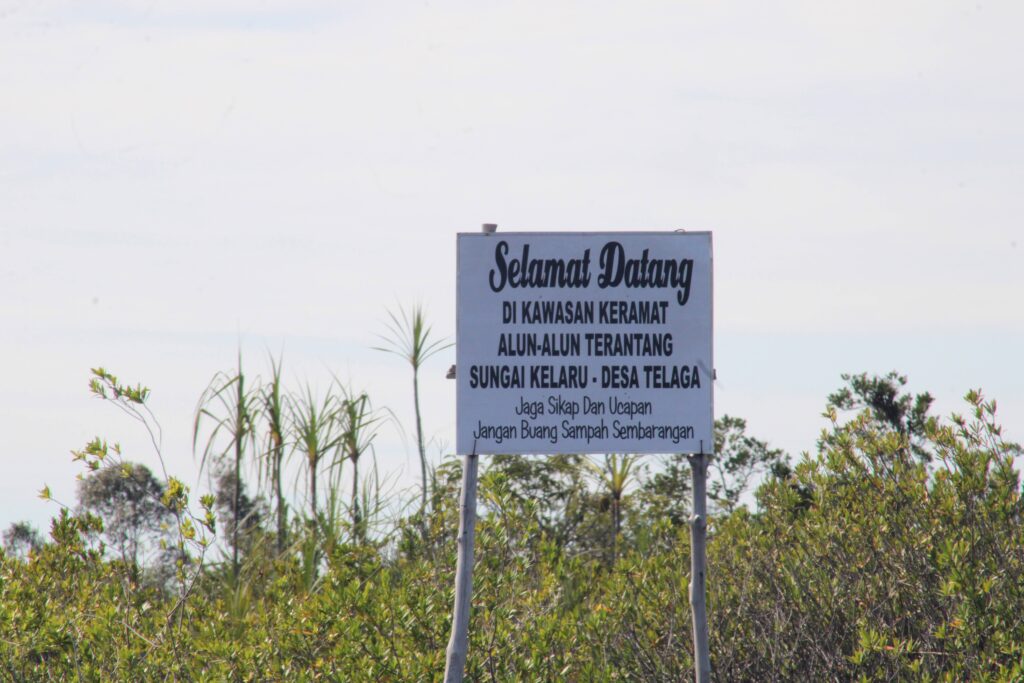
Religious ecotourism, a blend of environmental conservation and spiritual depth, is growing in popularity. This form of ecotourism not only offers a unique experience of the human–nature relationship but also educates visitors on the importance of preserving nature and ancestral cultural traditions. Religious ecotourism provides both direct and indirect economic benefits to local communities, such as job opportunities, skills development, and increased income through local services (tour guides) and local products.
Telaga Village, located in Katingan Regency, Central Kalimantan, has strong potential to be developed into a religious ecotourism destination. The site is considered sacred and is surrounded by stunning natural landscapes. Local residents refer to it as Alun-alun Terantang, located along the banks of the Kelaru River. Alun-alun Terantang is steeped in stories, believed to be tied to a figure known as Hj Amin, a mystical being who once lived in and developed the area. Hj Amin is believed to be a powerful spiritual figure who still resides in the sacred alun-alun.
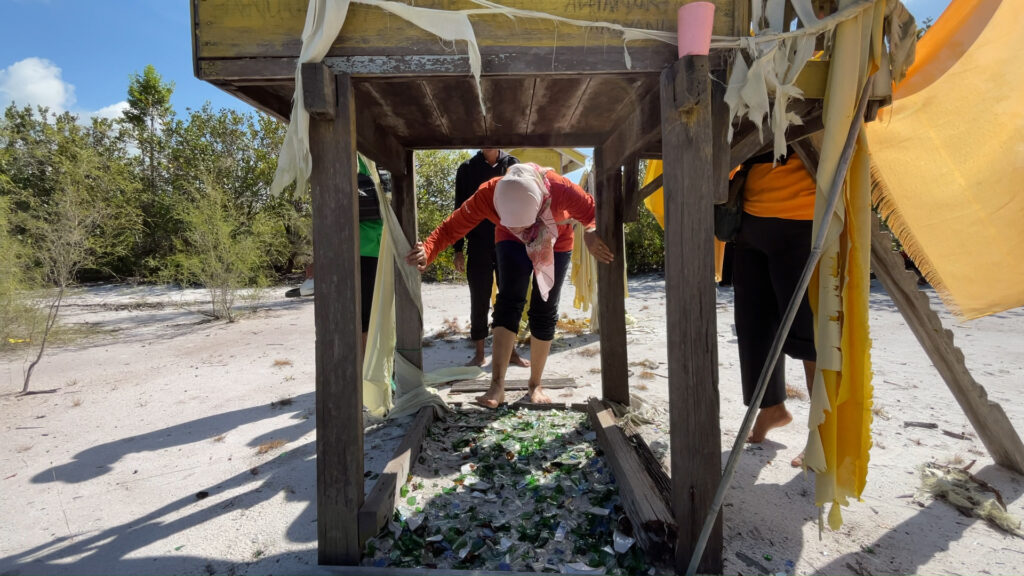
The site is believed to have supernatural properties capable of granting wishes and fulfilling prayers. Some locals who believe in this power have built small spiritual huts (paseban) and raised yellow flags, marking the area as sacred. The paseban, or small ceremonial house, serves as a place to leave offerings for the spirits believed to reside there. One known ritual involves the slaughtering of a buffalo in gratitude for granted wishes. Another ritual involves walking barefoot over broken glass under the paseban without injury—believed to be possible through the mystical protection of the alun-alun.
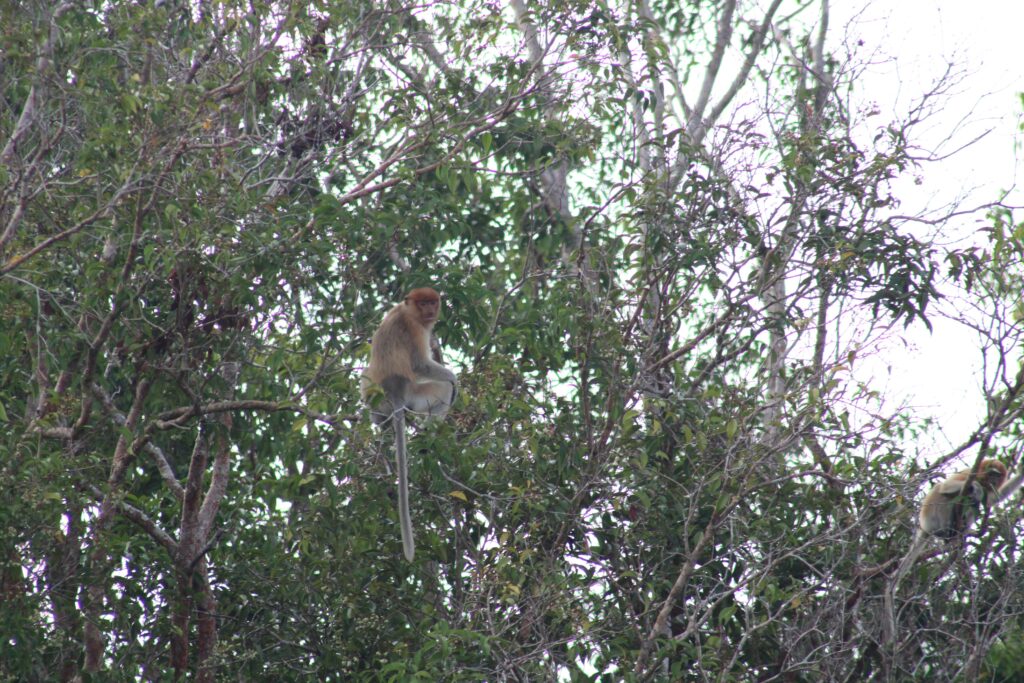
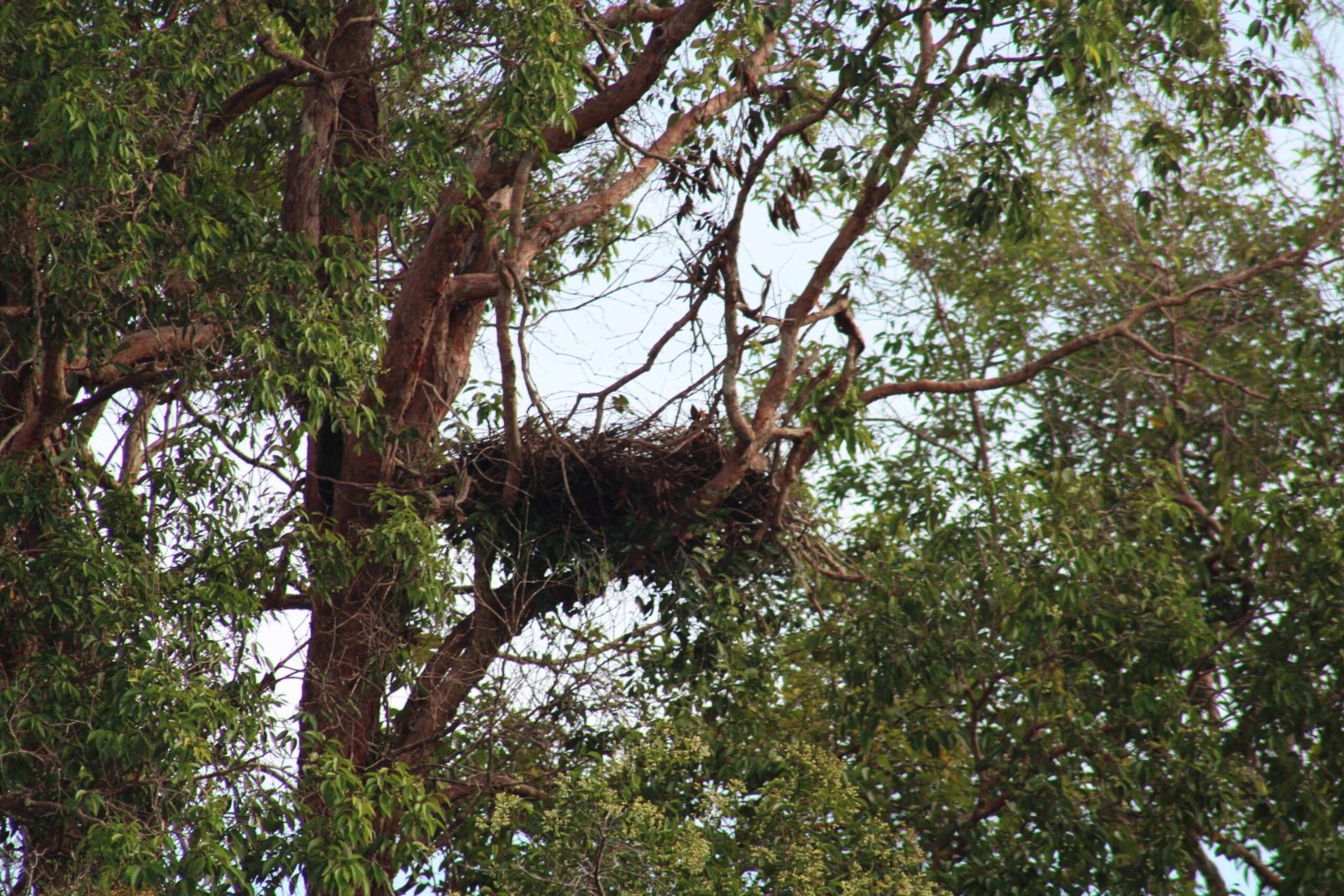
The journey to Alun-alun Terantang begins in Telaga Village by traveling along the Kelaru River using a traditional boat (klotok) for about 1.5 hours. Along this river journey, visitors are treated not only to stunning natural scenery but also to a rich diversity of wildlife. The area is home to several endangered and protected species, such as orangutans, proboscis monkeys (bekantan), hornbills, and other exotic animals.
Through funding from the Payment for Ecosystem Services (PES) scheme, efforts to support and optimize the development of Alun-alun Terantang as a sustainable religious ecotourism site are a significant achievement. These efforts ensure that both the spiritual and natural heritage of the area can be preserved for future generations. The principles guiding the development and management of religious ecotourism must be grounded in environmental conservation, education, cultural awareness, and local community participation. In doing so, it can offer a meaningful and enriching experience that deepens one's understanding of the relationship between nature and spirituality.