Manjau Village Forest: From Misconception to Participation to Strengthen Shared Prosperity and Sustainability
October 2025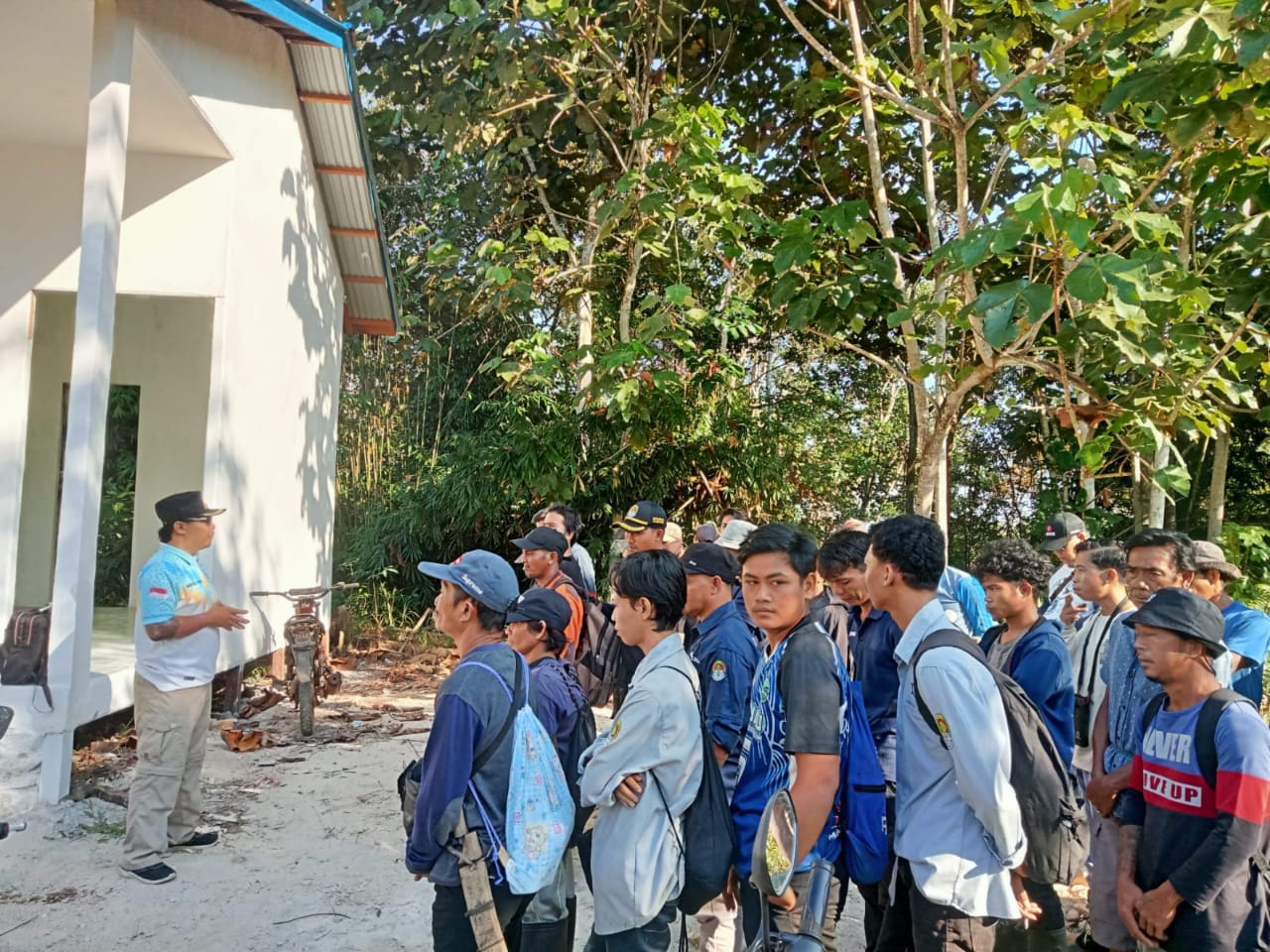
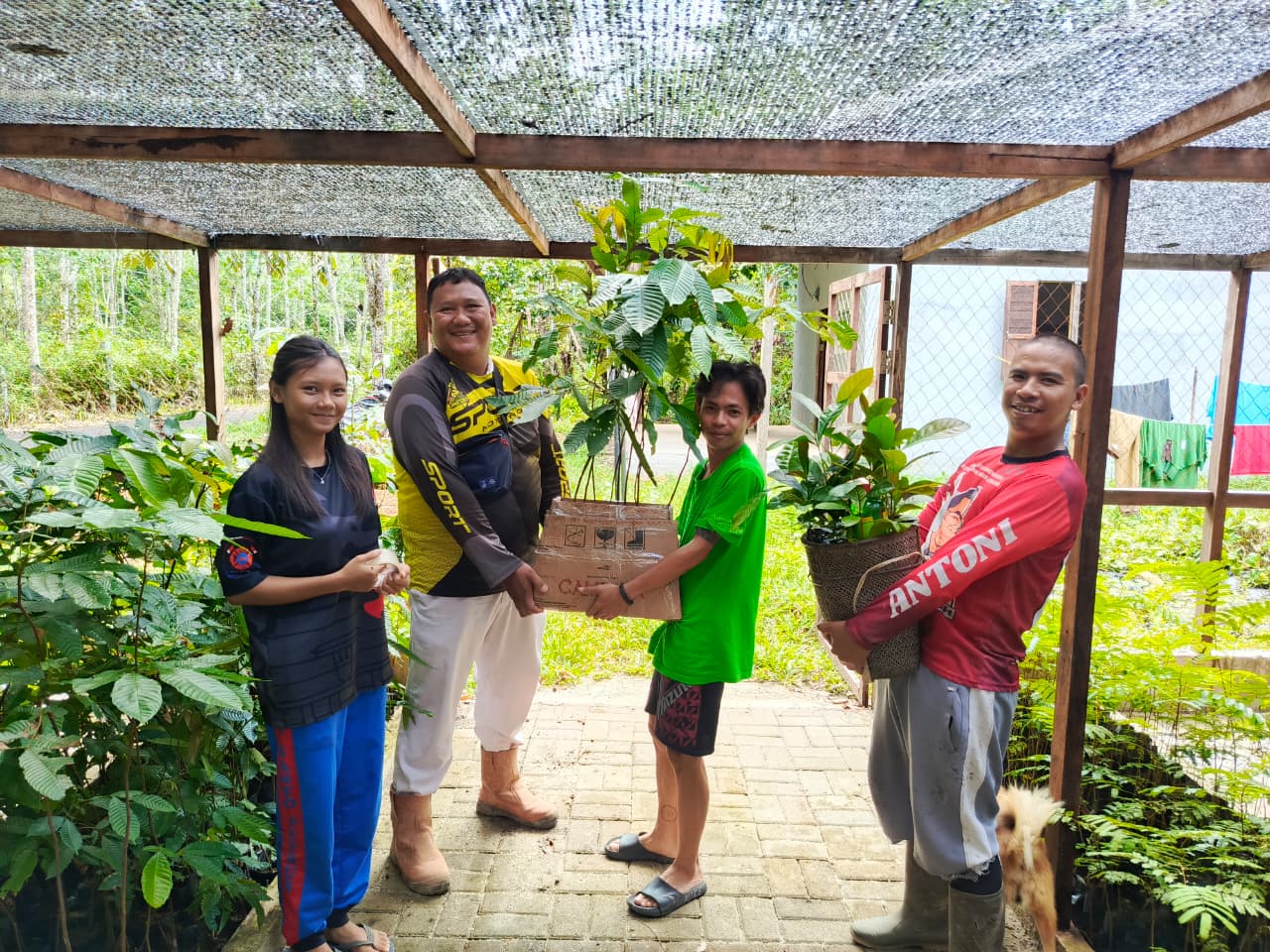
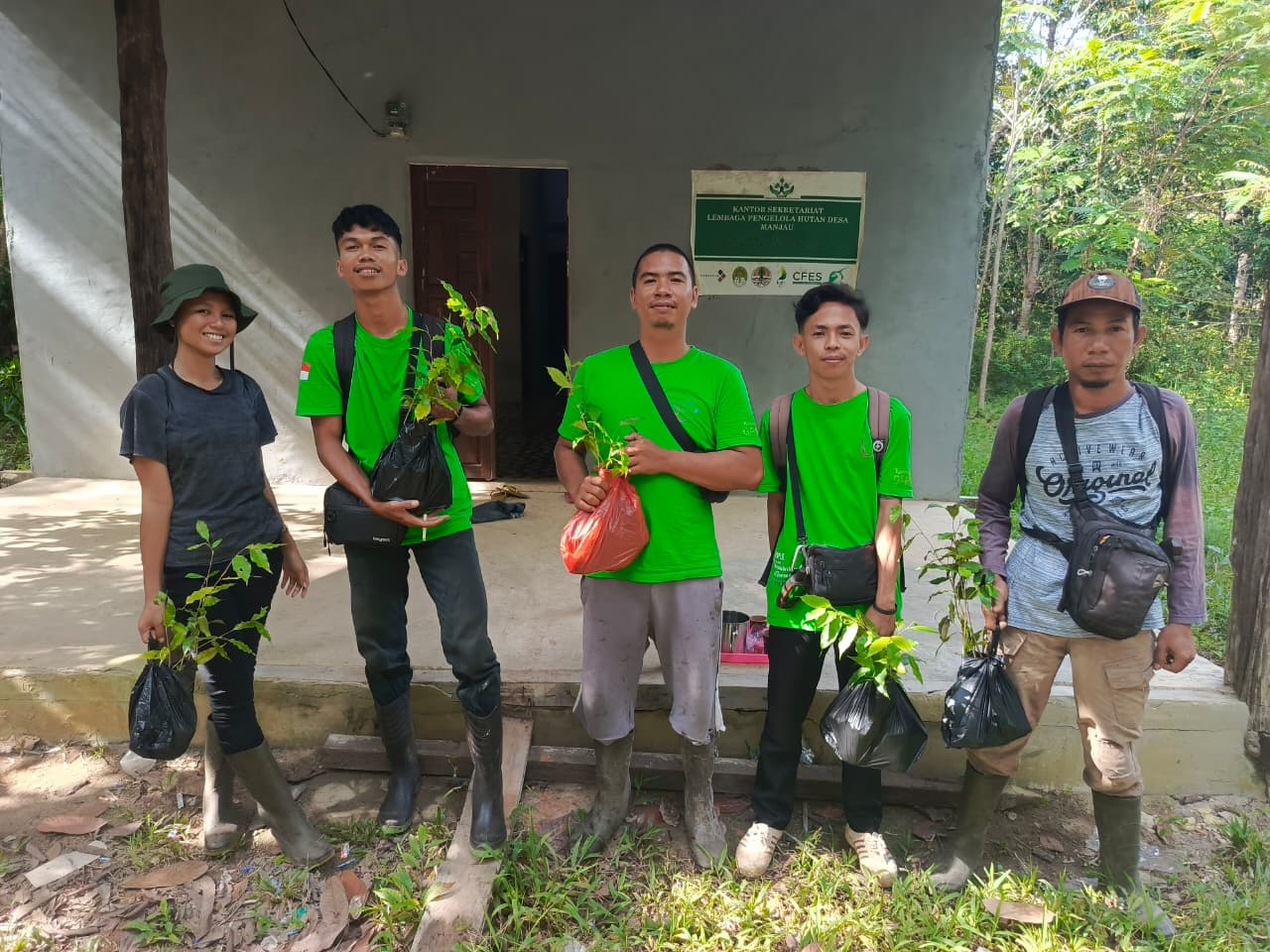
For years, the management of Village Forests has often faced challenges related to public perception. Many people view the existence of Village Forests as limiting their living space and sources of livelihood. This misconception has frequently created a gap between conservation policies and the interests of local communities. In the Manjau Village Forest, located in Laman Satong Village, this shift in perspective has begun to take shape through a participatory approach carried out by the Village Forest Management Institution (LPHD) Manjau together with CFES.
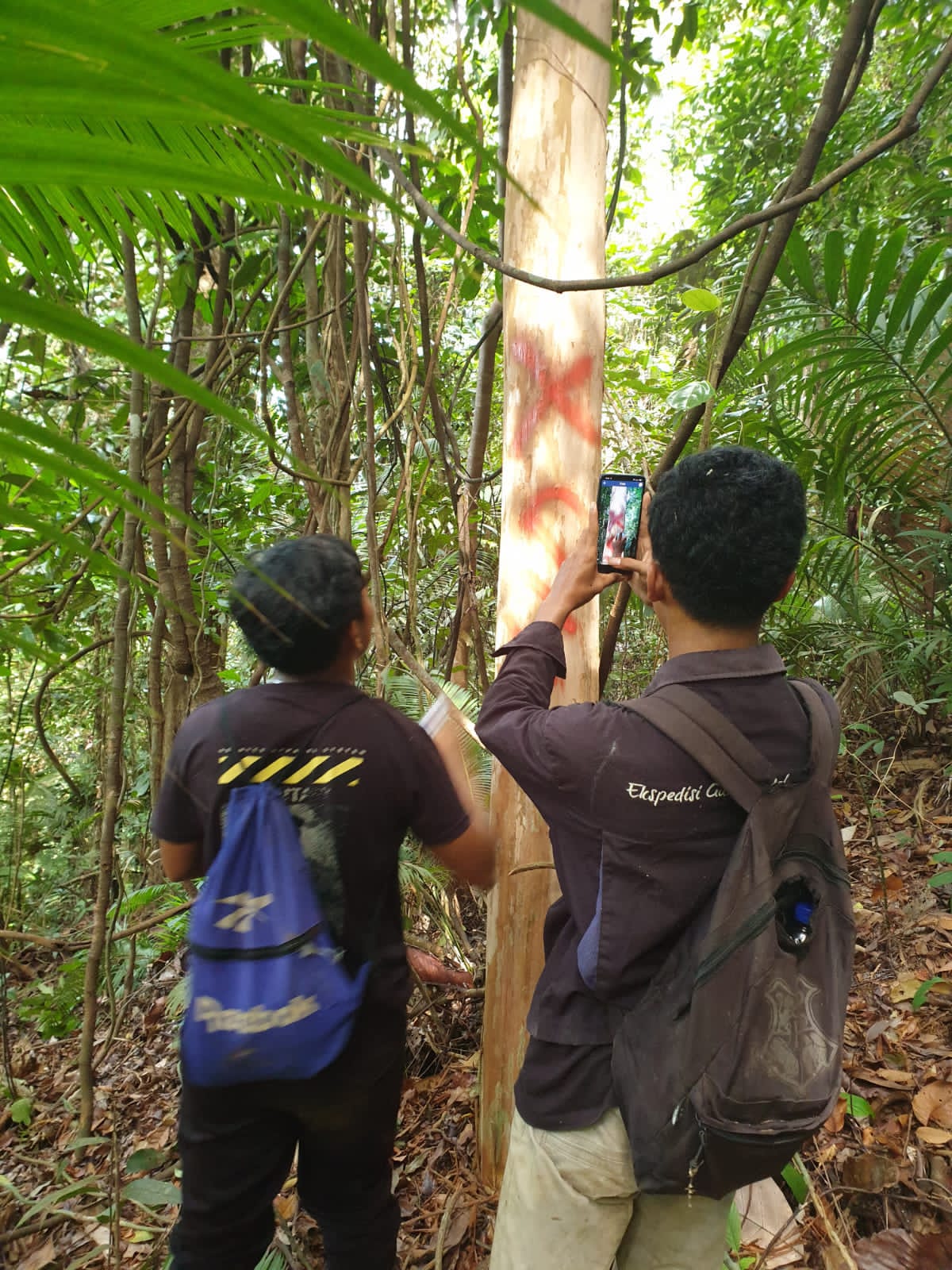
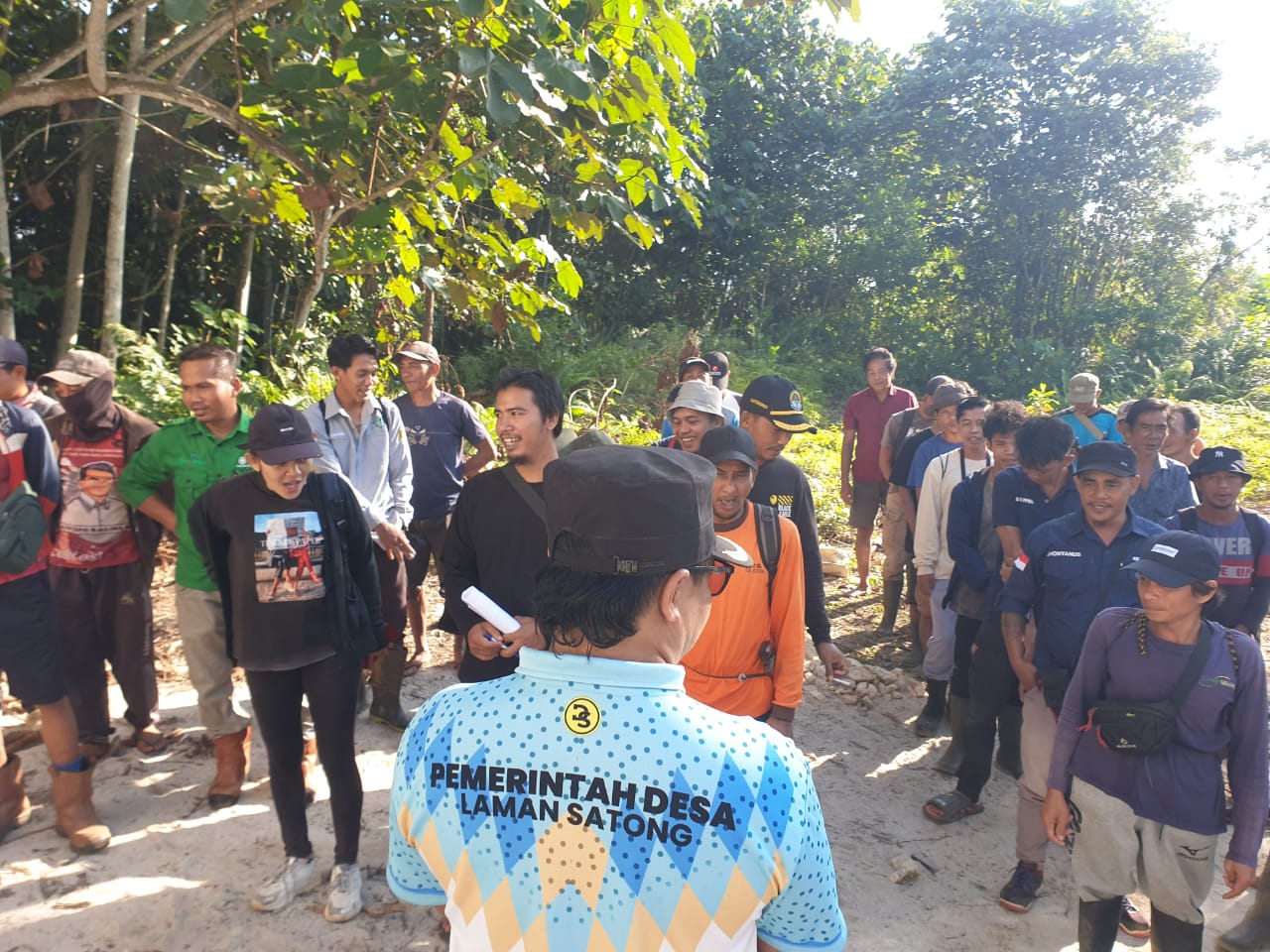
The initial step began with a boundary-tracing activity that directly involved local residents. Villagers, together with LPHD administrators, walked along the forest area to jointly map the boundaries. This activity was simple but had a significant impact—not only in ensuring spatial clarity, but also in opening up space for dialogue between forest managers and the community. Through this process, residents began to understand that Village Forest management is not a form of restriction, but a shared responsibility to maintain the forest’s functions so that it remains sustainable and provides benefits for everyone.
In addition to field activities, open socialization sessions were also held to explain the objectives and benefits of Village Forest management. Meeting after meeting became a forum for the community to share their views while also understanding that forest management does not close access, but instead creates new opportunities for prosperity. Honest, transparent, open, and continuous communication became the key to dispelling long-held misunderstandings within the community.
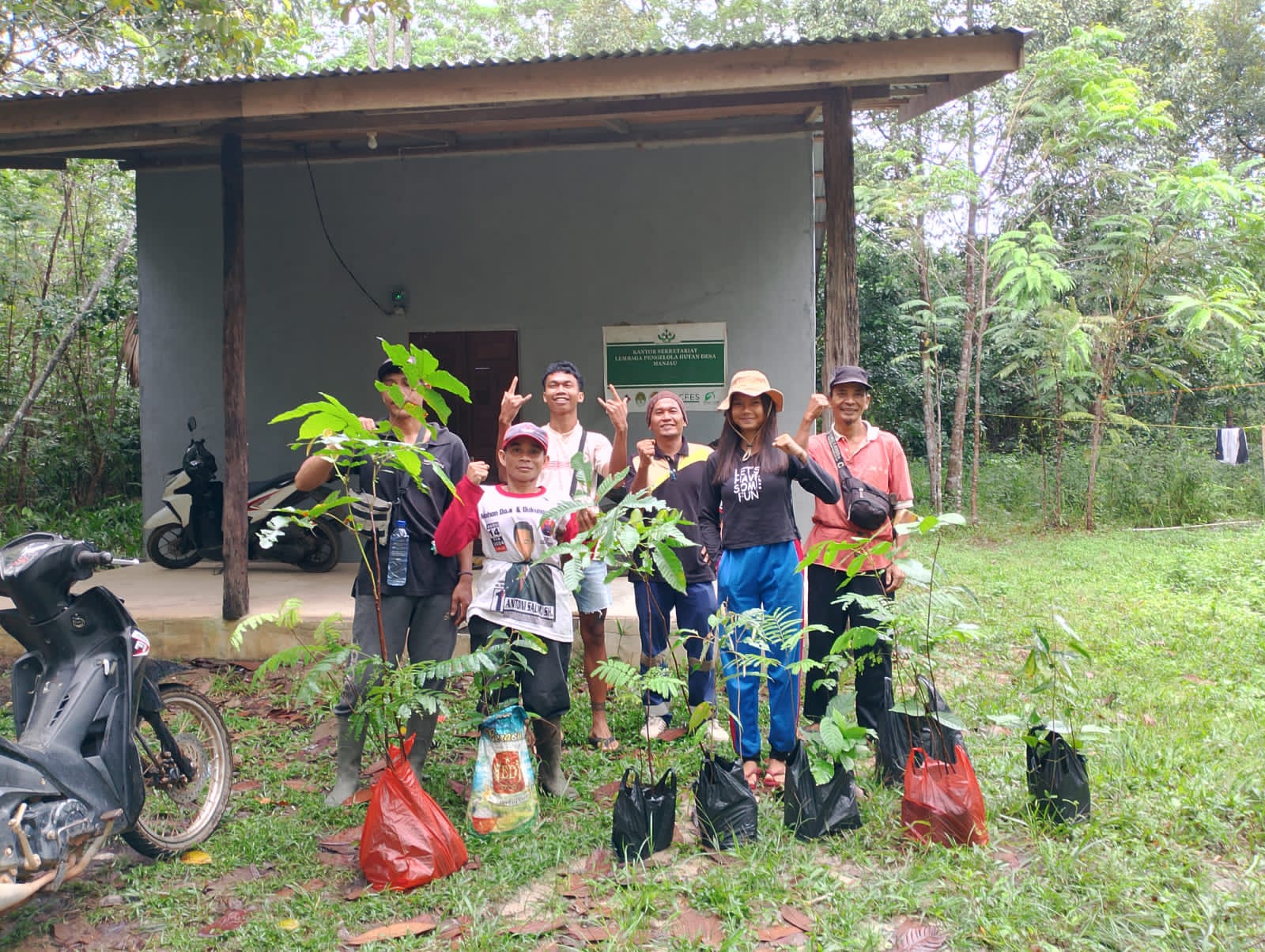
The effort to build understanding did not stop at communication. LPHD Manjau then introduced a seedling and fruit tree planting program as a tangible economic alternative. Through technical assistance and seed provision, the community gained new options to increase income without having to damage forest areas. Many families have now shifted from plans to clear land for monoculture crops to planting fruit trees that are more environmentally friendly and have long-term economic value. This change has had a direct impact on household food security while also strengthening the forest ecosystem’s function.
The transformation that has taken place shows that when communities are actively involved, behavioral change can occur naturally. Residents have begun to see that protecting the forest means protecting the source of life. Planting trees is no longer viewed merely as an obligation, but as a long-term investment for the future of both the family and the environment.
This success reflects that the key to Village Forest management lies not only in regulations, but in trust and collaboration. LPHD Manjau together with CFES have built a process that positions the community as part of the solution, not merely as beneficiaries. Through this collaboration, the community no longer views LPHD as a limiting body, but as a partner ensuring that the forest functions sustainably for present and future generations.
This initiative has also strengthened the institutional capacity of LPHD in managing long-term programs and building partnerships with various stakeholders. The success in Manjau proves that effective communication, genuine participation, and the provision of appropriate economic alternatives can change community perspectives on conservation.
Today, the Manjau Village Forest stands as an example that environmental conservation can go hand in hand with improving community welfare. Through trust and collaboration, both people and the forest grow together in mutually reinforcing harmony. The story from Manjau proves that when awareness grows from within the community, sustainability is no longer merely an aspiration, but a living and continuous reality.